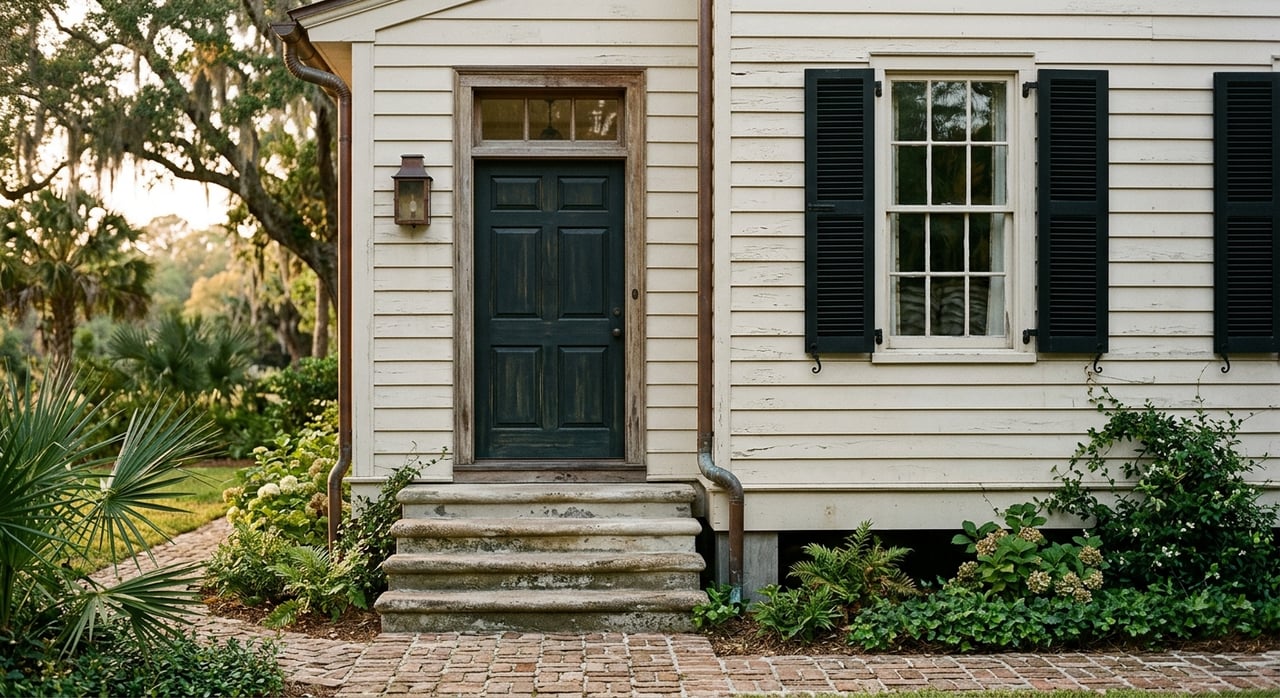
If you have ever fallen for a Beaufort historic home, you already know the appeal is instant. Wide porches, old windows, timeworn details, and a setting shaped by centuries can make these properties feel unlike anything else on the market. But owning one means more than buying charm, because you are also taking on preservation rules, maintenance needs, and long-term planning. This guide will help you understand what ownership looks like in Beaufort’s Historic District so you can move forward with clear eyes and confidence. Let’s dive in.
What makes Beaufort’s Historic District unique
Beaufort’s historic core is one of the most protected areas in the city. According to the City of Beaufort Historic District overview, the original 304-acre town area was listed in the National Register of Historic Places in 1969 and designated a National Historic Landmark in 1973.
The local historic district also includes two subdistricts: the Preservation Neighborhood and the Conservation Neighborhood, also known as the Northwest Quadrant. That matters because design standards and review paths can vary depending on where a home is located.
Another key detail is whether a property is considered contributing or non-contributing. The city uses the 1997 Beaufort County Above Ground Historic Sites Survey to help identify that status and guide the level of review for proposed changes.
In simple terms, a contributing property adds to the district’s historic or architectural significance. A non-contributing property is usually newer, heavily altered, or no longer retains enough historic integrity to carry the same designation.
Why contributing status matters
Contributing status can shape what you may need to do before making exterior changes. It can also affect whether a property qualifies for certain preservation-related incentives.
For buyers, this is one of the first details to verify before closing. If you are comparing two homes in the district, one contributing and one non-contributing, the ownership experience may look different when it comes to renovation planning and approvals.
This is also why due diligence matters so much in Beaufort. Before you make assumptions about future projects, it is smart to understand both the home’s classification and which subdistrict it sits in.
What to expect before making changes
In Beaufort’s Historic District, many exterior projects require a Certificate of Appropriateness, often called a COA. The city states that additions, demolitions, new construction, renovations, and site work in the district may require review through the Historic District Review Board process.
Current code excerpts also say that construction activity such as new structures, modifications, expansions, relocation, demolition, or partial demolition requires COA review. Some smaller items may qualify for staff-level minor review, while larger or more visible projects often go before the board.
That means historic ownership usually calls for extra lead time. If you plan to update a porch, alter roofing, replace windows, or build an addition, you should expect a review process rather than a quick contractor start date.
How Beaufort evaluates historic work
For homes in the Preservation Neighborhood, the city relies on the Beaufort Preservation Manual. For the Northwest Quadrant, the relevant guidelines are included as an appendix in that same manual.
The review board also references the Secretary of the Interior’s Standards for Rehabilitation. In practice, that means exterior work is judged by how well it preserves historic character, materials, proportions, and overall appearance.
This does not mean you can never update a historic home. It means updates should be planned thoughtfully, with attention to what makes the building historically significant in the first place.
Common updates that need extra planning
Some projects raise questions more often than others. Windows, porches, and roofs are among the most important character-defining features in many historic homes.
For windows, the National Park Service guidance on historic windows says repair should generally be considered before replacement. Replacement is usually more appropriate when deterioration is too severe to repair.
Porches and roofing also deserve early review. Beaufort’s preservation manual treats these features as important parts of a home’s historic character, so changes to their design, materials, or visible appearance should be approached carefully.
If you are buying with renovation plans in mind, this is where local guidance becomes especially valuable. A beautiful idea on paper may need revisions once preservation standards and review requirements are factored in.
Maintenance in a coastal historic home
Owning a historic home in Beaufort is not just about renovation rules. It is also about ongoing care, especially in a coastal environment.
The city’s preservation manual notes that clogged gutters and downspouts can send water toward foundations and mortar joints. It recommends regular cleaning, debris screens, and downspouts that carry water away from the building.
Termites are another practical concern. The manual recommends frequent crawl-space inspection, removing scrap wood near the structure, and keeping vegetation and mulch away from the foundation.
These are not glamorous tasks, but they are central to protecting an older property. In many cases, routine maintenance helps you avoid larger repairs later.
Features that often need the most attention
Windows, porches, and roofs often top the maintenance list in older Lowcountry homes. These elements do a lot of work, both visually and structurally, and they are constantly exposed to weather.
Beaufort’s manual also notes that visible porch components should be painted wood rather than exposed natural or treated lumber. That guidance helps preserve the district’s visual consistency while supporting appropriate repairs over time.
For many owners, the goal is not to freeze a house in time. It is to care for original materials when possible and make updates in ways that respect the home’s character.
Balancing comfort and preservation
Many buyers want better efficiency, comfort, and storm resilience in an older home. That is understandable, but in a historic property, the best first step is often to evaluate what already works.
According to the National Park Service sustainability planning guidance, historic buildings often include inherently sustainable features such as porches, shutters, and passive ventilation. Those original elements may already help manage sun, airflow, and comfort.
That means a smart update plan may begin with repair and performance improvements, not automatic removal. When you work from that mindset, you are more likely to protect both livability and historic character.
Flood risk is part of ownership
Flooding is a major consideration in coastal Beaufort. The city’s Flood Awareness resources say flooding can happen at any time due to storm surge, high tides, and heavy rain.
The city also notes that standard homeowners insurance does not cover flood damage, and FEMA flood insurance is mandatory in Special Flood Hazard Areas. For buyers, that makes flood-zone review and insurance planning an important part of the purchase process.
The National Park Service also advises that flood-adaptation work should reduce damage without unnecessarily destroying significant historic materials or features. In other words, resilience matters, but so does thoughtful execution.
Costs, incentives, and tradeoffs
Historic ownership often comes with higher maintenance costs and more planning. Specialized repairs, review timelines, and the need for preservation-aware contractors can all add to the budget.
That said, Beaufort does offer incentive programs for some properties. The city’s historic preservation tax credit page explains that properties individually listed on the National Register or listed as contributing in the 1997 survey are treated as certified historic structures for incentive purposes.
These programs can help offset part of the cost, but they usually come with rules, timelines, and approval steps. If incentives matter to you, planning early is essential.
Understanding the Bailey Bill
One of the best-known local incentives is the Bailey Bill. The city’s Bailey Bill application packet explains that if an owner invests at least 75% of the building’s assessed value into approved rehabilitation work, the assessed value can be frozen at the pre-rehabilitation level for 10 years.
The packet also says qualifying structures must be at least 50 years old in the historic district or listed on the 1997 survey. For owners taking on a major rehabilitation, that can be a meaningful long-term benefit.
Still, this is not a casual program. Because thresholds and approvals matter, buyers should understand the requirements before counting on the savings.
State tax credit opportunities
South Carolina also offers a historic residential credit. According to the South Carolina Department of Revenue, the credit equals 25% of rehabilitation expenses for certified historic residential structures.
To qualify, expenses must exceed $15,000 within 36 months, and the work must be consistent with the Secretary of the Interior’s Standards and certified before work begins. That last point is important, because waiting too long to ask questions can affect eligibility.
If tax incentives are part of your financial strategy, it makes sense to build your team and confirm the process early.
Is a Beaufort historic home right for you?
For the right buyer, a historic home in Beaufort offers something hard to replicate: architectural character, a protected setting, and the chance to care for a meaningful piece of the Lowcountry. For others, the added review, maintenance, and planning may feel like too much.
The key is knowing what you are signing up for before you buy. When you understand contributing status, review requirements, flood considerations, and maintenance realities, you can make a smarter decision and avoid surprises later.
If you are exploring historic homes in Beaufort or comparing them with other coastal properties in the area, the right local guidance can make the process much easier. The Mitchell Coastal Collective Team can help you evaluate property fit, navigate the details, and make coastal living a reality.
FAQs
What is Beaufort’s Historic District?
- Beaufort’s Historic District is a highly protected historic area that includes the original 304-acre town core and local subdistricts such as the Preservation Neighborhood and the Northwest Quadrant.
What is a contributing property in Beaufort?
- A contributing property is a home or structure that adds to the district’s historic association or architectural importance, based in part on the 1997 Beaufort County Above Ground Historic Sites Survey.
Do Beaufort historic homes need approval for renovations?
- Many exterior changes in Beaufort’s Historic District require a Certificate of Appropriateness, including work such as additions, demolitions, renovations, new construction, and some site work.
Can you replace windows in a Beaufort historic home?
- Historic windows should generally be repaired first, and replacement is usually considered when deterioration is too severe to make repair feasible.
Are porches and roofs important in Beaufort historic review?
- Yes, Beaufort’s preservation guidance treats porches and roofs as character-defining elements, so changes to them should be reviewed early in the planning process.
Does homeowners insurance cover flood damage in Beaufort?
- No, the City of Beaufort states that standard homeowners insurance does not cover flood damage, and flood insurance may be required in Special Flood Hazard Areas.
Are there tax incentives for Beaufort historic homes?
- Yes, some Beaufort historic properties may qualify for local, state, or federal preservation incentives, including the Bailey Bill and South Carolina’s historic residential credit, depending on eligibility and project details.