Trying to choose between Old Town Bluffton and one of Bluffton’s planned communities? You are not alone. Many buyers love Bluffton’s Lowcountry setting but quickly realize these two living styles can feel very different day to day. This guide will help you compare character, walkability, amenities, commuting, and rules so you can decide which fit makes the most sense for your lifestyle. Let’s dive in.
Why This Choice Matters
Bluffton is not just one type of town. According to the Town of Bluffton, it grew from one square mile to 54 square miles through annexation and development agreements, and most residents now live in planned communities managed by property or homeowners associations.
That means your home search is often less about choosing a price range alone and more about choosing how you want to live. In Bluffton, the biggest contrast is usually between the public-street feel of Old Town and the private-amenity lifestyle of a planned community.
What Old Town Bluffton Feels Like
Old Town Bluffton is the town’s Historic District and was listed on the National Register of Historic Places in 1996. The area is shaped by its location on the high bluff above the May River and by long-standing Lowcountry design traditions.
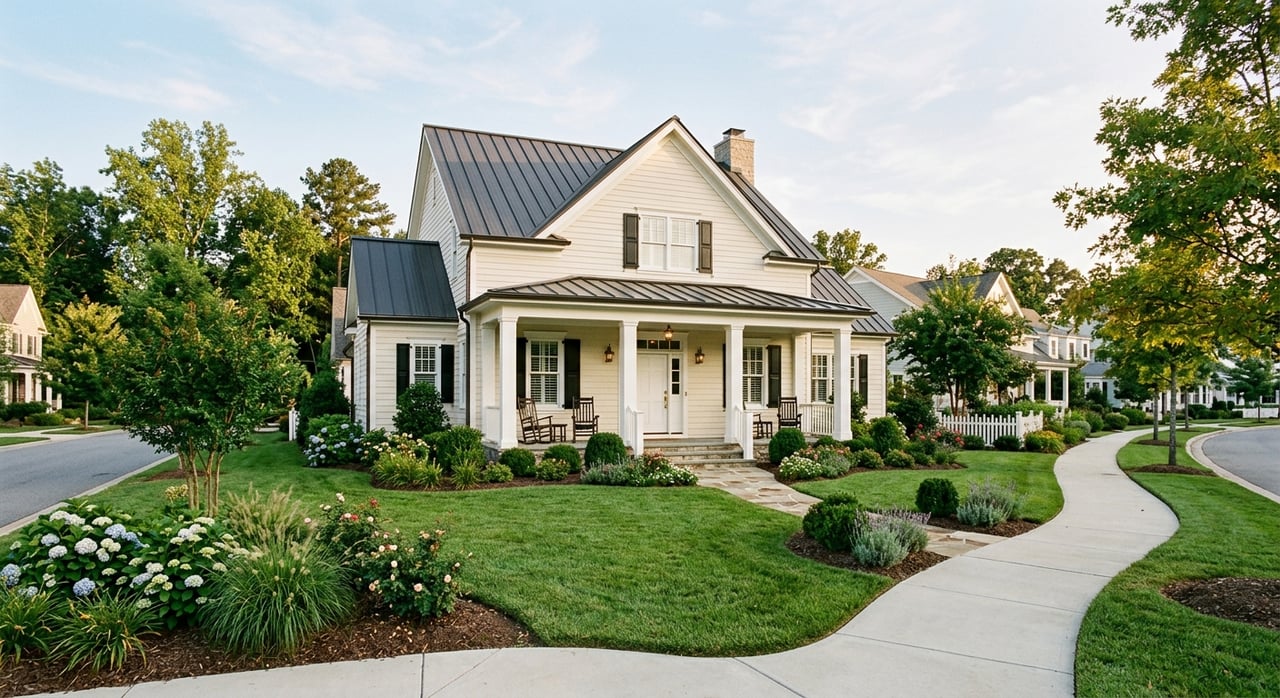
You will see a more character-driven streetscape here. The Town notes influences such as West Indies architecture, along with features like clapboard siding, brick piers, chimneys, and porches.
Old Town is also known for its public, on-foot feel. Visit Bluffton describes the district as walkable, with on-street parking and a mix of shops, antiques, art galleries, and small businesses under live oaks.
If you want a place where you can enjoy historic streets, local events, and a village atmosphere, Old Town stands out. Visit Bluffton also notes that the broader cultural district includes about 120 attractions and roughly three dozen annual festivals and events.
Old Town Home Style
Homes in Old Town tend to be older and more varied than what you find in newer neighborhoods. Walking tour materials reference Carolina Farmhouse architecture, freedmen’s cottages, shotgun cottages, Folk-Victorian homes, and other restored nineteenth- and early twentieth-century houses.
For you as a buyer, that often means less uniformity from one property to the next. If you value charm, architectural variety, and a sense of history, this can be a major draw.
Old Town Rules and Review
Old Town’s character comes with added oversight. Because it is a historic district, exterior changes are reviewed by the Town’s Historic Preservation Commission, and the Old Town Master Plan helps guide preservation and future growth.
That does not make Old Town better or worse. It simply means you should expect a more regulated process if you plan to make exterior updates.
What Planned Communities Feel Like
Bluffton’s planned communities are not all the same. They range from active-adult neighborhoods to lake communities, golf club settings, and large master-planned environments with multiple villages.
The Town of Bluffton says most residents now live in communities managed by POAs or HOAs. As a result, amenities, dues, membership structures, and neighborhood rules can vary widely from one community to another.
What many of these communities share is a more managed lifestyle. You are often buying into a package that may include recreation, shared spaces, design standards, and organized social options.
Active-Adult Living in Bluffton
Sun City Hilton Head is a strong example of the active-adult model. Del Webb describes it as a 55+ community with more than 165,000 square feet of amenities, three 18-hole golf courses, multiple pools, restaurants, dog parks, pickleball and tennis, plus a community dock on the Okatie River.
The community also offers single-family homes and villas ranging from about 1,345 to 2,712 square feet. Del Webb notes golf-cart access to dining, healthcare, banks, and shopping, which shows how internal mobility can shape everyday life.
Lake and Nature-Focused Living
Hampton Lake offers a different planned-community experience. Its brochure describes a 1,157-acre private lake community with 1,450 homesites, a 470-acre nature preserve, a 227-acre freshwater lake, and 15 miles of navigable waterways.
Housing options there range from waterfront residences with dock options to maintenance-free townhomes. The same materials also highlight a resort-style pool, lakehouse amenities, and a long list of clubs and social activities.
Village-Style Master Planning
Palmetto Bluff represents a larger preserve-based model. The official site describes it as a 20,000-acre preserve with 32 miles of riverfront, where residents can choose between country enclaves and village-inspired town neighborhoods.
Its design approach emphasizes Lowcountry architecture such as deep porches, raised foundations, wraparound verandas, cottages, and garages. A Design Review Board helps maintain a cohesive look, while the trail system connects neighborhoods to parks, recreation, Wilson Village, and Moreland Village.
Golf-Club Community Living
Berkeley Hall reflects the private golf club end of the spectrum. The club describes a low-density community built around two Tom Fazio courses, with a 554-home and homesite membership structure tied to property ownership.
It also highlights amenities such as a clubhouse, spa and fitness center, River Park, and club dining and social activity. For some buyers, that kind of club-centered environment is the main appeal.
Old Town vs Planned Communities
The biggest difference is not simply old versus new. It is often public-street lifestyle versus private-amenity lifestyle.
Old Town gives you the strongest public walkability in Bluffton. You can enjoy historic streets, local shops, tours, markets, and community events in a setting that feels open and connected to the town itself.
Planned communities may also be very walkable or golf-cart friendly, but that convenience is usually internal. In many cases, the paths, recreation, and gathering spots are designed primarily for residents and guests within the community.
Quick Comparison
| Feature | Old Town Bluffton | Planned Communities |
|---|---|---|
| Overall feel | Historic, public, village-like | Managed, amenity-rich, neighborhood-based |
| Home style | Older, varied, character-driven | Often newer, more standardized within each community |
| Walkability | Public streets, shops, events, and local businesses | Often internal trails, paths, or golf-cart access |
| Amenities | Town and district attractions nearby | Amenities often built into the community |
| Rules | Historic review for exterior changes | POA/HOA rules, dues, and possible membership structures |
| Buyer fit | Buyers seeking charm and open village feel | Buyers seeking convenience and lifestyle packages |
How Commuting and Daily Errands Differ
Bluffton’s average commute is about 28.3 minutes, according to Census QuickFacts. The Town’s comprehensive plan also describes much of the US 278 corridor as automobile-oriented, with sidewalks absent along most roadways.
SCDOT is continuing US 278 corridor improvements between Bluffton and Hilton Head to address congestion and bridge deficiencies. So even if you choose a walkable area or an amenity-rich neighborhood, you will likely still depend on a car for many regional errands and work trips.
The difference is in how your shorter daily routines may feel. Old Town can make some local outings easier on foot, while planned communities may reduce how often you leave the neighborhood for exercise, recreation, or social activities.
What Buyers Should Weigh Most
Your best fit usually comes down to a few practical questions. Before you decide, think about how you want your home and neighborhood to support your daily routine.
Choose Old Town if you value:
- Historic character and architectural variety
- A public, village-style setting
- Walkable access to shops, galleries, and events
- A home with a stronger sense of individuality
Choose a planned community if you value:
- Amenity packages such as golf, pools, trails, or club spaces
- A more managed neighborhood environment
- Internal walkability or golf-cart mobility
- Housing choices tied to a specific lifestyle model
Don’t Overlook Rules, Dues, and Due Diligence
This is one of the most important parts of the decision. Planned communities may include POA or HOA rules, dues, age restrictions, or club membership structures depending on the neighborhood.
Old Town has a different kind of oversight through historic-preservation review for exterior changes. In either setting, it helps to understand the rules before you fall in love with a property.
The Town of Bluffton also keeps a separate focus on watershed and stormwater management. That makes drainage, elevation, and flood-related due diligence relevant whether you are considering a historic home in Old Town or a house in a planned community.
Which Bluffton Lifestyle Fits You Best?
If you picture weekends spent strolling historic streets, browsing local shops, and enjoying a more open village atmosphere, Old Town Bluffton may feel like home. If you want built-in amenities, organized recreation, and a neighborhood designed around convenience, a planned community may be the better match.
Neither option is one-size-fits-all, and that is exactly what makes Bluffton appealing. You have the chance to choose a setting that fits the way you want to live, not just the number of bedrooms on a listing sheet.
If you want help comparing Bluffton neighborhoods with a local, hands-on perspective, the Mitchell Coastal Collective Team is here to help you make coastal living a reality.
FAQs
What is the main difference between Old Town Bluffton and planned communities in Bluffton?
- Old Town Bluffton is centered on a historic, public-street village feel, while planned communities are usually built around private amenities, internal mobility, and neighborhood rules.
Is Old Town Bluffton walkable for daily activities?
- Visit Bluffton describes Old Town as walkable, with on-street parking, local shops, galleries, and other small businesses throughout the district.
Do planned communities in Bluffton always include HOA or POA rules?
- Many do, and the Town of Bluffton says most residents live in planned communities managed by POAs or HOAs, though dues, amenities, and rules vary by community.
Are homes in Old Town Bluffton newer or older?
- Old Town housing is generally older and more character-driven, with historic home types such as cottages, farmhouses, and Folk-Victorian homes referenced in walking tour materials.
What should buyers check before choosing a Bluffton neighborhood?
- Buyers should review community rules or historic review requirements, compare amenities and lifestyle fit, and consider drainage, elevation, and flood-related due diligence in either setting.